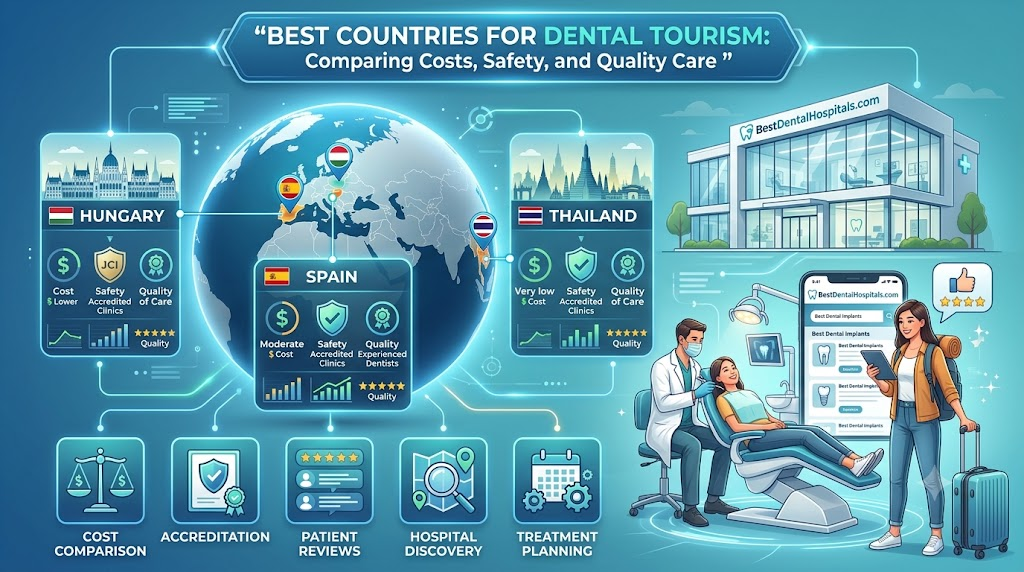
Navigating the world of international healthcare can feel overwhelming, especially when facing extensive dental work or rising domestic treatment costs. Millions of patients worldwide actively research cross-border dental options to access timely, high-quality care, advanced clinical technologies, and experienced specialists. Whether you are seeking full mouth restorations, cosmetic enhancements, or specialized surgical care, exploring international choices can unlock world-class oral healthcare options tailored to your needs. To start researching accredited facilities, comparing specialist credentials, and evaluating treatment options, visit BestDentalHospitals. Finding reputable providers requires clear guidance, transparent evaluation criteria, and a structured decision-making process.
Understanding International Dental Care and Discovery Platforms
International dental care, commonly referred to as dental tourism, involves traveling beyond your home region or country to receive specialized oral health care, cosmetic enhancements, or full-mouth restorations. Modern global dentistry connects patients with world-class facilities offering everything from routine restorative procedures to complex oral and maxillofacial surgeries.
Navigating independent overseas clinics without guidance can be challenging. Global healthcare discovery platforms function as centralized educational resources. They help patients search, evaluate, and compare accredited facilities, specialist dentists, and treatment options across top international destinations.
                     +---------------------------------------+
                     |    Patient Research & Initial Inquiry  |
                     +---------------------------------------+
                                         |
                                         v
                     +---------------------------------------+
                     | Remote Consultation & Scan Assessment |
                     +---------------------------------------+
                                         |
                                         v
                     +---------------------------------------+
                     | Written Treatment Plan & Detailed Quote|
                     +---------------------------------------+
                                         |
                                         v
                     +---------------------------------------+
                     | Travel Planning & Clinical Care Abroad|
                     +---------------------------------------+
                                         |
                                         v
                     +---------------------------------------+
                     | Recovery, Return & Local Aftercare    |
                     +---------------------------------------+
Why Patients Consider Dental Treatment Abroad
Access to Specialized Expertise and Advanced Technology
International dental destinations often house state-of-the-art dental centers equipped with 3D Cone Beam Computed Tomography (CBCT) scanners, intraoral digital scanners, computer-aided design and manufacturing (CAD/CAM) dental laboratories, and guided implant surgery systems. These facilities attract specialists who have trained at top medical institutions globally.
Significant Cost Savings Without Compromising Quality
Disparities in living costs, operational overhead, administrative burdens, and malpractice insurance allow top-tier international facilities to offer treatment at prices substantially lower than domestic averages in North America or Western Europe.
Reduced Waiting Times
In regions with public healthcare bottlenecks or long specialist waitlists, traveling abroad allows patients to schedule major restorative or cosmetic procedures promptly.
Dedicated International Patient Services
Leading global hospitals maintain dedicated international patient desks that assist with multi-language coordination, travel arrangements, local transport, visa support, and hotel stays.
Key Destinations for Global Dental Tourism
Different countries have established specialized reputations based on clinical expertise, geographical convenience, and regional standards.
| Destination | Primary Specialties | Key Advantages | Typical Patient Demographic |
| Mexico | Dental Implants, Crowns, Veneers, Root Canals | Proximity to US/Canada, day-trip options, US-trained dentists | North American travelers |
| Thailand | Cosmetic Dentistry, Full Mouth Rehabilitation, Implants | JCI-accredited hospital environments, luxury hospitality | Australasia, Europe, & Global travelers |
| Hungary | Complex Implantology, Oral Surgery, Prosthodontics | Strict EU healthcare regulations, extensive specialist training | UK & Western European patients |
| Costa Rica | All-on-4, Complex Restorations, Cosmetic Makeovers | High patient-safety focus, personalized care, bilingual teams | North American travelers |
| India | Full Mouth Restorations, Maxillofacial Surgery, Implants | Highly experienced specialists, NABH/JCI accredited centers | Worldwide international patients |
How to Choose the Best Dental Hospitals and Specialists
Selecting a reputable provider requires evaluating objective clinical criteria rather than relying on promotional marketing.
                +-------------------------------------------------+
                |            CLINICAL CHECKLIST                   |
                +-------------------------------------------------+
                | [ ] Specialist Credentials Verified             |
                | [ ] Hospital Accreditation (JCI / NABH / ISO)   |
                | [ ] Tier-1 Implant Systems Used                 |
                | [ ] Advanced 3D Diagnostics On-Site             |
                | [ ] Transparent Written Quotation Provided     |
                | [ ] Post-Op Care Protocols Established          |
                +-------------------------------------------------+
Specialist Qualifications and Board Certifications
Ensure your treating clinician is a qualified specialist (e.g., an oral surgeon, prosthodontist, or periodontist) rather than a general practitioner performing advanced procedures without formal post-graduate residency training.
Institutional Accreditations and Safety Protocols
Look for hospitals certified by international bodies such as Joint Commission International (JCI), National Accreditation Board for Hospitals & Healthcare Providers (NABH), or ISO-certified sterilization units. These accreditations enforce strict infection control and clinical safety protocols.
Technology and Material Transparency
High-performing dental centers utilize internationally recognized implant systems (such as Straumann®, Nobel Biocare®, or BioHorizons®) and provide official material authenticity certificates.
Dental Implant Treatment Overview: Single, Multiple, and Full-Mouth Solutions
Dental implants are biocompatible titanium or zirconia posts surgically anchored into the jawbone to replace missing tooth roots. Understanding the clinical options helps set expectations.
| Implant Treatment | Indication | Typical Procedure | Recovery & Healing |
| Single Tooth Implant | One missing or unsalvageable tooth | Single post placement followed by customized crown fitting | Osseointegration: 3–6 months |
| Multiple Tooth Implants | Several missing teeth in a row | Two or more posts supporting an implant-retained bridge | Osseointegration: 3–6 months |
| All-on-4 / All-on-6 | Full arch missing or failing teeth | 4 to 6 strategically angled implants supporting a full arch prosthesis | Immediate temporary fixed arch; final restoration in 3–6 months |
| Full Mouth Rehabilitation | Extensive severe decay, trauma, or tooth loss | Combination of upper/lower arches using implants, crowns, and surgical site building | Staged over 2 or more clinical visits |
All-on-4 vs. Traditional Full Mouth Implant Reconstruction
For patients facing widespread tooth loss, comparing full-arch treatment philosophies is essential.
| Feature | All-on-4 Protocol | Traditional Full-Mouth Reconstruction |
| Number of Implants | 4 implants per arch (2 vertical, 2 angled) | 6 to 8 vertical implants per arch |
| Bone Grafting Need | Minimizes need by utilizing available anterior bone | Often requires bone grafting or sinus lift procedures |
| Treatment Complexity | Streamlined, specialized full-arch surgical protocol | Multi-stage procedures with extended surgical phases |
| Immediate Loading | Allows immediate provisional fixed teeth in most cases | Requires healing periods before load-bearing prosthetics |
| Ideal Candidate | Patients with reduced bone density seeking full-arch restoration | Patients with healthy bone volume desiring individual crowns or segmented bridges |
Dental Implant Cost Considerations Abroad
Understanding international pricing structures helps prevent unexpected expenses during care.
+-----------------------------------------------------------------------+
|                    FACTORS INFLUENCING TOTAL COST                     |
+-----------------------------------------------------------------------+
|  Clinical Complexity   | Bone grafting, sinus lifts, tooth extractions |
+------------------------+----------------------------------------------+
|  Material Selection    | Premium vs. standard implant systems         |
+------------------------+----------------------------------------------+
|  Diagnostic Workup     | 3D CBCT imaging, digital impressions          |
+------------------------+----------------------------------------------+
|  Prosthetic Quality    | Zirconia vs. porcelain-fused-to-metal (PFM)   |
+------------------------+----------------------------------------------+
|  Travel Logistics      | Flights, lodging, local transport, meals     |
+-----------------------------------------------------------------------+
Prices vary based on clinical requirements, hospital tier, and material choices. Transparent quotes should distinguish baseline surgical fees from additional procedures like bone augmentation.
Cosmetic Dentistry Abroad: Veneers, Crowns, and Smile Makeovers
Cosmetic dentistry focuses on restoring smile aesthetics, bite alignment, and structural integrity.
Porcelain Veneers
Ultra-thin shells of dental ceramic custom-bonded to the front surface of natural teeth to correct discoloration, minor misalignments, or chips.
Dental Crowns
Full-coverage restorations placed over heavily damaged, root-canaled, or worn teeth. Zirconia crowns offer superior durability and natural aesthetics compared to traditional porcelain-fused-to-metal (PFM) options.
Smile Makeovers
Comprehensive treatment plans integrating aligners, crowns, veneers, or gum recontouring to achieve aesthetic harmony and functional bite balance.
Step-by-Step Dental Tourism Planning Guide
Executing a successful international dental trip requires methodical preparation.
1. Initial Remote Consultation
   └── Submit digital X-rays, CBCT scans, and dental history.

2. Comprehensive Proposal Review
   └── Compare treatment options, timelines, and itemized quotations.

3. Travel Coordination & Scheduling
   └── Book travel, arrange accommodation, and confirm appointment dates.

4. Clinical Examination & Procedure Phase
   └── Undergo in-person assessment, 3D imaging, and planned procedures.

5. Recovery & Post-Operative Follow-Up
   └── Allow adequate healing time on-site before traveling home.
Benefits and Potential Limitations of Dental Treatment Abroad
Benefits
- Cost Efficiency: Significant savings compared to domestic rates.
- High Standards of Care: Access to accredited centers and experienced specialists.
- Comprehensive Care: Opportunities to combine multiple treatments into a structured schedule.
Potential Limitations
- Travel Logistics: Multiple trips may be required for staged treatments like bone grafting.
- Follow-up Distance: Returning home requires an established local follow-up plan for ongoing maintenance.
- Communication Gaps: Unvetted facilities may lack dedicated international coordination teams.
Expert Tips for Planning Dental Care Abroad
- Compare Treatment Plans, Not Just Headline Quotes: Look beyond low starting prices to ensure the proposal covers all required clinical steps.
- Confirm Materials and Brands: Request written confirmation of the exact implant brands, crown materials, and manufacturer warranties.
- Obtain Copies of All Diagnostic Records: Always request copies of 3D scans, operative notes, and implant serial numbers before returning home.
- Plan Adequate In-Country Buffer Time: Build extra recovery days into your travel itinerary in case your dentist recommends additional healing time.
Best Practices for Patient Safety and Quality Outcomes
- Schedule a Local Evaluation First: Consult a local dentist or obtain recent diagnostic scans before requesting international proposals.
- Verify Specialist Certifications: Confirm that your treating dentist specializes in the specific procedure you require.
- Review Hospital Sterilization Standards: Choose accredited facilities that adhere to international infection control protocols.
- Establish Local Aftercare Support: Ensure a general dentist at home is willing to conduct routine hygiene checks and maintenance after you return.
Common Mistakes Patients Should Avoid
- Choosing Providers Based Solely on Price: Extremely low pricing may indicate unverified materials, generalist practitioners, or hidden fees.
- Underestimating Surgical Recovery: Rushing travel home immediately after major surgery increases complication risks.
- Skipping Pre-Operative Diagnostic Scans: Relying on simple 2D photos instead of 3D CBCT scans can lead to changes in your treatment plan upon arrival.
- Overlooking Warranty Terms: Ensure you understand what is covered if a prosthetic or implant requires adjustment later.
Future Trends in Global Digital Dentistry
Advanced technologies continue to make international care safer and more predictable. Real-time teledentistry enables thorough pre-travel virtual consultations and post-operative monitoring. Guided surgical software utilizes 3D imaging to plan implant placements digitally, reducing surgical time and improving accuracy. Additionally, AI-assisted diagnostics help clinicians evaluate bone density and tissue structures with higher precision.
Why Use BestDentalHospitals for Discovery and Comparison
BestDentalHospitals serves as a reliable global discovery and comparison resource. By helping patients explore accredited facilities, vet specialist credentials, compare treatment protocols, and request itemized proposals, the platform simplifies international healthcare research. Users can research options with confidence before making clinical decisions alongside qualified dental professionals.
Frequently Asked Questions (FAQs)
Is dental treatment abroad safe?
Yes, dental treatment abroad is safe when received at accredited, high-quality hospitals and clinics. Safety depends on choosing qualified specialist dentists, verifying hospital accreditations, checking infection control standards, and ensuring the facility uses certified implant materials. Thorough research helps ensure high standards of care.
How do I find the best dental hospitals internationally?
To find top dental hospitals, search for facilities with international accreditations (such as JCI or NABH), verified specialist credentials, advanced 3D diagnostic technology, transparent pricing, and positive patient reviews. Utilizing a platform like BestDentalHospitals simplifies comparing vetted institutions globally.
What should I check before choosing an implant hospital?
Before selecting an implant hospital, verify the surgeon’s specialist qualifications and experience, confirm the implant brands used, ensure on-site 3D CBCT diagnostic capabilities exist, review sterilization protocols, and request a detailed, written treatment plan outlining all steps.
Why do dental treatment costs vary between countries?
Costs vary due to differences in local living standards, operational overhead, administrative fees, labor costs, and malpractice insurance premiums. Lower prices abroad do not automatically indicate inferior care; reputable international clinics often use the exact same tier-1 materials as domestic practices.
How do All-on-4 dental implants work?
All-on-4 dental implants replace a full arch of missing teeth using four strategically placed implants. The rear implants are angled to maximize contact with existing bone structure, often eliminating the need for bone grafting and allowing temporary teeth to be fitted quickly.
What is included in a comprehensive dental quotation?
A thorough quotation should itemize specialist surgical fees, diagnostic imaging (CBCT/X-rays), materials, provisional restorations, final prosthetics, anesthesia, follow-up visits, and medication. Always confirm if pre-treatments like bone grafting are included.
How long does dental treatment abroad usually take?
Treatment length depends on procedural complexity. Simple cosmetic work like veneers or crowns may take 5 to 7 days. Implants often require two visits: an initial surgical stay of 3 to 7 days followed by a return trip 3 to 6 months later for final crown placement.
How do I choose the right country for dental tourism?
Consider geographic proximity, travel expenses, specialist expertise, language accessibility, and regional healthcare regulations. For example, North Americans often select Mexico or Costa Rica, while European patients frequently choose Hungary or Turkey.
What dentist qualifications should I look for?
Look for post-graduate specialist degrees in oral surgery, prosthodontics, periodontics, or implantology. Check membership in recognized professional associations (such as the International Congress of Oral Implantologists or national dental boards).
Is a virtual dental consultation required before traveling?
Yes, a pre-travel remote consultation is strongly recommended. Sharing recent dental X-rays or 3D CBCT scans allows specialists to evaluate your case, propose an accurate preliminary plan, and provide a clear cost estimate before you travel.
What happens if I experience complications after returning home?
Reputable international facilities provide clear post-op care instructions and post-treatment support. It is best practice to establish a relationship with a local general dentist who can handle routine follow-ups or coordinate with your overseas provider if adjustments are needed.
Are cosmetic procedures like veneers permanent?
Porcelain veneers are a long-term cosmetic solution that typically lasts 10 to 20 years with proper oral hygiene and routine care. Because a minimal layer of natural tooth enamel is prepared during placement, the process is considered irreversible.
What is the difference between a dental clinic and a dental hospital?
Dental clinics typically handle general and routine outpatient procedures. Dental hospitals feature broader infrastructure, including full surgical suites, multi-specialty departments, advanced diagnostic labs, emergency support, and dedicated international patient coordination teams.
Can I combine different dental procedures in one trip?
Yes, many patients combine treatments—such as placing implants, fitting crowns, or undergoing cosmetic whitening—into a single structured visit. Your treating specialist will design a coordinated plan to allow adequate recovery between procedures.
How do I maintain my dental implants long-term?
Maintain implants through daily brushing, flossing with implant-safe tools, using non-abrasive toothpaste, and attending regular professional cleanings and dental examinations every 6 to 12 months.
Conclusion
Planning dental care abroad is a practical way to access advanced treatments, experienced specialists, and modern facilities while keeping costs manageable. Successful outcomes depend on thorough research, realistic expectations, and choosing accredited institutions over unverified budget options. Always consult with qualified dental professionals, review comprehensive treatment plans, and ensure local aftercare arrangements are in place before moving forward. Platforms like BestDentalHospitals support your research journey by connecting you with top international providers, transparent clinical details, and clear treatment comparisons.
