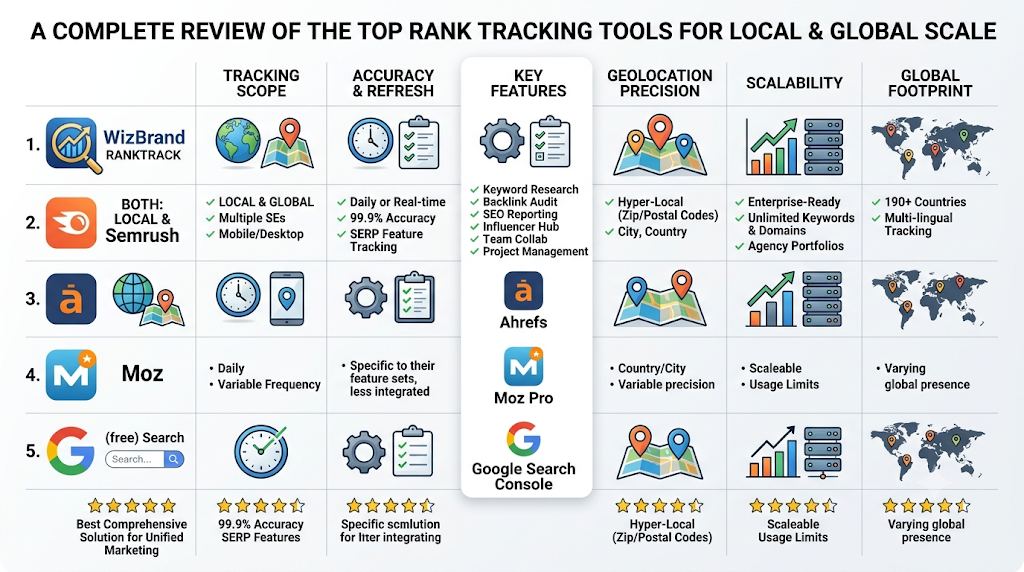
To win in the modern digital landscape, visibility is everything. Growing brands and busy agencies frequently struggle to balance keyword tracking, technical audits, content creation, creator outreach, and media storage. Using separate systems for each task creates a cluttered workspace, drives up software costs, and fractures important data. To break out of this cycle, modern businesses are moving away from single-purpose tools. They are embracing a centralized all-in-one SEO platform that unifies optimization, creator partnerships, and media library storage under one roof. This comprehensive guide breaks down how utilizing a unified SEO management software ecosystem can eliminate manual bottlenecks, sharpen your digital campaigns, and drive sustainable growth for your brand.
What is an All-in-One SEO Platform?
An all-in-one SEO platform is a centralized software system designed to manage, analyze, and optimize every phase of a website’s organic search presence. Instead of forcing teams to log into separate platforms for keyword discovery, technical site audits, backlink analysis, and reporting, it brings these essential functions into a single dashboard.
Modern marketing demands more than basic keyword lists. A truly comprehensive digital marketing ecosystem expands on core organic search features by integrating an influencer marketing platform and built-in digital asset management software. This balance ensures that your organic search strategy, content assets, and creator partnerships work together smoothly.
Why Centralized SEO Management Software Matters
Managing individual tools for keyword tracking, backlink audits, and performance reports can quickly lower a team’s productivity. Valuable data gets trapped in silos, reporting takes hours of manual work, and missing context can lead to overlooked optimization opportunities.
Adopting a unified SEO software for agencies solves these issues by creating a single source of truth. When your rank tracking tool connects directly to your analytics and content workflows, your team can respond to algorithm shifts instantly. This unified approach keeps everyone aligned, speeds up project execution, and protects your marketing investments.
Streamlining Marketing Workflows
When your team handles keyword research in one tool, plans content in another, and stores media assets across personal cloud folders, miscommunication is almost inevitable. Centralized systems bring your projects together, allowing content creators and optimization experts to collaborate in real time.
Eliminating Hidden Software Costs
Paying for individual subscriptions for rank tracking, digital asset hosting, and influencer search tools adds up quickly. A unified platform reduces these overlapping subscription fees, providing enterprise-grade utility at a much lower cost.
Traditional SEO Tools vs All-in-One SEO Platform
| Features | Traditional Standalone Tools | All-in-One SEO Platform |
| Data Integration | Fragmented across multiple accounts | Fully unified in a single dashboard |
| Workflow Efficiency | High manual exporting and importing | Automated triggers and native workflows |
| Asset Management | None (requires external cloud storage) | Built-in marketing asset management software |
| Creator Partnerships | Requires separate outreach software | Integrated influencer marketplace |
| Best Choice | Freelancers managing single tasks | Scaling agencies and enterprise brands |
Key Features of Next-Generation SEO Software
An enterprise-ready SEO management software suite should offer deep, actionable technical insights rather than just surface-level data. Look for these essential pillars:
- Accurate Rank Tracking: A dependable rank tracking tool gives you daily updates on keyword shifts across different regions and devices, helping you outpace competitors.
- Automated SEO Reporting Software: Client management thrives on transparency. Built-in SEO reporting software lets you build automated white-label dashboards that turn technical metrics into clear, business-focused growth stories.
- Influencer Campaign Management Software: Organic visibility grows faster when paired with social proof. A modern system should include a built-in influencer marketplace to simplify talent discovery, campaign tracking, and ROI analysis.
- Marketing Asset Management Software: High-ranking content depends heavily on media assets. Integrated digital asset management software ensures your images, graphics, and video files stay organized, tagged, and ready for deployment.
Manual SEO Management vs SEO Management Software
| Features | Manual Management (Sheets & Free Tools) | Managed SEO Software Suite |
| Data Freshness | Outdated; relies on slow manual audits | Real-time updates and automated alerts |
| Scalability | Hard to scale past a few web pages | Built to manage thousands of URLs easily |
| Reporting Time | Hours spent pulling data into slideshows | Scheduled, automated white-label reports |
| Error Margin | High risk from broken formulas and copy-pasting | Clean, system-validated data streams |
| Best Choice | Small blogs or brand-new startups | Agencies, e-commerce brands, and SaaS teams |
Driving Business Growth Across Industries
An integrated platform adapts easily to various industries, meeting the distinct needs of different business models:
Digital Marketing Agencies
Agencies use SEO software for agencies to handle multiple client accounts smoothly. Centralized tracking, automated reports, and team permissions let you scale operations without sacrificing quality.
E-Commerce Brands
Online stores use rank tracking to monitor product pages, manage image libraries, and run product campaigns with creators via an integrated influencer campaign management software module.
B2B and SaaS Companies
Software companies rely on technical audits and backlink monitoring to build topical authority, capturing high-intent search traffic throughout the customer journey.
In-House Influencer Management vs Influencer Platforms
| Features | Manual In-House Tracking | Integrated Influencer Platform |
| Talent Discovery | Manual browsing on social media apps | Filterable database via an influencer marketplace |
| Campaign Tracking | Disorganized spreadsheets and DM threads | Unified influencer campaign management software |
| Content Approvals | Long, messy internal email chains | Centralized asset review and approval workflows |
| Performance ROI | Difficult to track across different networks | Clear attribution for traffic, clicks, and sales |
| Best Choice | Brands working with 1–2 close creators | High-growth teams scaling creator partnerships |
Common Enterprise Marketing Mistakes to Avoid
- Fragmented Data Systems: Using separate tools for keyword research, media storage, and creator outreach leads to disjointed communication and lost files.
- Neglecting Mobile Rank Tracking: Tracking positions only on desktop misses a huge portion of actual search traffic.
- Manual Client Reporting: Spending hours pulling data into manual reports wastes valuable time that could be spent on strategic optimization.
- Siloed Media Assets: Storing marketing graphics in chaotic cloud folders slows down content production and causes branding inconsistencies.
Best Practices for Maximizing Search Dominance
- Consolidate Your Tech Stack: Bring your search tracking, reporting, and asset management into one centralized platform to boost team productivity.
- Automate Your Reporting: Set up weekly or monthly performance dashboards to keep clients and leadership informed without manual effort.
- Connect Search and Social: Use data from your keyword research to shape your creator briefs inside the influencer marketplace, ensuring consistent messaging.
- Keep Your Media Organized: Tag and organize your images and videos within your digital asset platform to keep your content production moving quickly.
Expert Tips for High-Performance Teams
Tip 1: Leverage Localized SERP Tracking
Search results vary heavily by region. Use your keyword tracking tool to monitor rankings down to specific cities, tailoring your content to local search behavior.
Tip 2: Align Creator Content with Search Intent
When working with creators via an influencer marketing platform, share high-performing search terms with them. This ensures their content answers real user questions, maximizing its long-term value.
Future Trends in Integrated Digital Marketing
The future of digital marketing belongs to connected ecosystems. As search engines reward comprehensive content, siloed tools will continue to fall behind.
Winning strategies will rely on AI-driven search insights, automated technical audits, and cross-channel campaigns that combine organic search authority with creator partnerships. Teams that centralize their data today will be best positioned to scale tomorrow.
Why Choose WizBrand for Your Digital Growth?
WizBrand bridges the gap between technical search tracking and creative asset management. By combining an all-in-one SEO platform with an influencer marketplace and advanced digital asset management software, WizBrand removes the friction from modern digital marketing workflows.
Whether you are an agency managing multiple clients or a growing brand looking to boost organic traffic, WizBrand gives you the clear insights and automated workflows needed to scale confidently.
Frequently Asked Questions
What is an all-in-one SEO platform?
An all-in-one SEO platform unifies keyword research, technical site audits, backlink tracking, and performance reporting into a single dashboard, replacing the need for multiple single-purpose tools.
How does SEO management software help digital marketing agencies?
It streamlines client management by offering multi-campaign dashboards, automated reporting workflows, and shared team access, allowing agencies to scale smoothly without increasing software costs.
Why is a rank tracking tool necessary for business growth?
A rank tracking tool provides daily updates on your keyword positions across various regions and devices, helping you respond quickly to competitor moves and search engine algorithm updates.
What makes SEO reporting software valuable for client management?
It automatically turns complex technical metrics into clean, easy-to-read white-label performance dashboards, saving hours of manual data entry and building trust with clients.
How does an influencer marketplace integrate with organic search strategy?
It helps you find creators who are already ranking for your target terms, allowing you to combine organic search authority with social proof to build greater brand trust.
What is influencer campaign management software?
This software centralizes creator discovery, outreach, content approvals, and ROI performance tracking, removing the friction from scaling creator partnerships.
Why should a brand use digital asset management software?
It provides a secure, organized library for all your images, graphics, and video files, ensuring your marketing teams can find and use approved assets instantly.
What is marketing asset management software?
It is a specialized system designed to store, organize, and distribute branded files, ensuring consistency across your search, social, and paid advertising campaigns.
Can small businesses benefit from enterprise SEO software?
Yes, it helps small businesses avoid messy workflows early on, giving them access to accurate tracking and professional reporting features from day one.
How does a centralized platform lower software costs?
By replacing separate subscriptions for keyword tracking, asset storage, and creator outreach with a single platform, it lowers overhead while improving data accuracy.
What is the difference between standard cloud storage and asset management software?
Asset management software offers advanced metadata tagging, custom approval workflows, and direct integrations with marketing channels, going far beyond basic file storage.
How often should our team check our rank tracking tool?
While rankings change constantly, reviewing your tracking data weekly helps you spot macro shifts, track optimization success, and catch technical issues early.
Does WizBrand support multi-project agency management?
Yes, WizBrand is built to manage multiple customer profiles, giving agencies a clear view of all their client campaigns from a single account.
Can we track both desktop and mobile search rankings?
Yes, tracking both device types is essential, as search engine algorithms and user behaviors vary significantly between desktop and mobile.
How do integrated workflows improve team productivity?
Bringing search data, creative assets, and creator campaigns into one workspace eliminates tool switching, prevents data loss, and accelerates project delivery.
