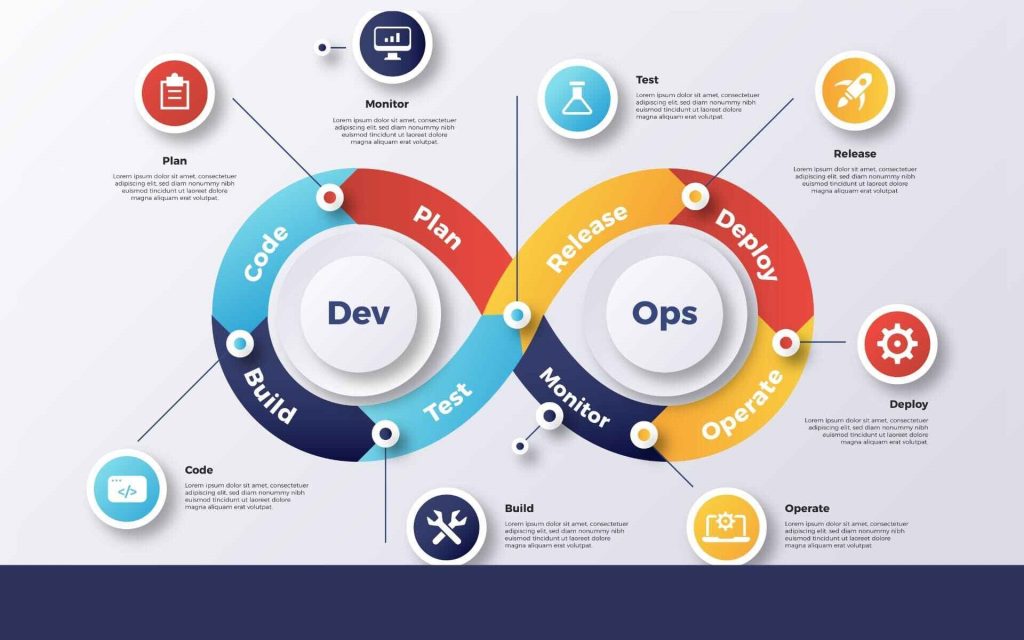
Introduction
Certified DevOps Professional is built for professionals who want to run reliable delivery in real production systems, not just learn tools. It matters because DevOps today is platform-heavy, security-aware, and cost-sensitive, and teams are expected to ship faster without breaking reliability. In , hiring managers look for people who can design pipelines, automate operations, and handle incidents with calm and clarity. This guide is written for working engineers and managers who want a practical, role-based view of the certification. It will help you judge fit, effort, and next steps so you choose the right learning path.
What is the Certified DevOps Professional?
Certified DevOps Professional is an advanced-level certification that validates hands-on capability across CI/CD, automation, monitoring, logging, and cloud operations. It exists because many professionals “know tools” but struggle with end-to-end production workflows: deployment safety, observability, incident response, and repeatable operations. The focus is production outcomes—how systems behave under load, how releases are controlled, and how teams reduce manual work. It aligns with modern engineering where infrastructure is code, platforms are self-service, and reliability is part of delivery. In simple terms: it measures whether you can operate DevOps practices as a system, not as a checklist.
Who Should Pursue Certified DevOps Professional?
Certified DevOps Professional fits engineers who already work with real deployments and want stronger structure, speed, and stability in delivery. DevOps engineers, SREs, platform engineers, cloud engineers, and release engineers typically benefit the most because the scope matches their daily work. Security and data professionals also gain value when they support pipelines, governance, and production operations across shared platforms. Engineering managers and tech leads can use it to better review architecture, delivery risks, and operational maturity without getting stuck in vendor-specific details. For India and global markets, the same capability is rewarded: consistent delivery, stable runtime, and measurable improvement in operational efficiency.
Why Certified DevOps Professional is Valuable in 2026 and Beyond
The value of Certified DevOps Professional is that it stays relevant even when tools change, because it targets workflows that enterprises keep for years: CI/CD, automation, observability, and cloud operations. Companies are moving toward platform engineering, internal developer platforms, and standardized guardrails, which increases demand for professionals who can build and run those systems. The certification helps you speak the language of delivery performance and reliability—deployment frequency, change failure rate, MTTR, and operational load—without being stuck on one tool. It also improves your return on time because the learning translates directly into better project outcomes. For many professionals, this is the type of credential that supports promotion conversations because it maps to visible impact.
Certified DevOps Professional Certification Overview
The Certified DevOps Professional program is delivered via Certified DevOps Professional and hosted on devopsschool. The certification is positioned as an exam-only assessment with a defined duration, which signals it is meant to validate applied knowledge, not attendance. In practical terms, the structure works best when you already have some production exposure and you want a clear benchmark for your skill level. Think of it as a skills verification point in your DevOps career path, often taken after you have built or supported real CI/CD and operations workflows. The overall ownership and delivery sit with the provider hosting the program, and the expected outcome is job-ready competence.
Certified DevOps Professional Certification Tracks & Levels
A simple way to understand the program is by levels: foundation, professional, and advanced. Foundation confirms you understand delivery and operations basics and can execute standard workflows safely. Professional confirms you can design and improve pipelines, observability, and automation for real teams and multiple services. Advanced validates you can handle scale, reliability risks, and cross-team governance while optimizing speed, safety, and cost. In parallel, many professionals specialize by track—DevOps, SRE, DevSecOps, AIOps/MLOps, DataOps, and FinOps—because modern organizations split responsibilities across these domains. The best approach is to align level to career stage and track to your current role or target role.
Complete Certified DevOps Professional Certification Table
| Track | Level | Who it’s for | Prerequisites | Skills Covered | Recommended Order |
|---|---|---|---|---|---|
| DevOps | Foundation | DevOps / Cloud engineers early in role | Linux + Git basics, basic CI/CD exposure | CI/CD basics, automation fundamentals, deployment patterns | 1 |
| DevOps | Professional | Working DevOps engineers | Real pipeline ownership, scripting comfort | pipeline design, release safety, monitoring/logging practices | 2 |
| DevOps | Advanced | Senior DevOps / platform leads | multi-team delivery experience | platform patterns, governance, reliability + scale tradeoffs | 3 |
| SRE | Foundation | Ops/SRE transition roles | on-call exposure helpful | SLO basics, incident workflow, observability basics | 1 |
| SRE | Professional | Practicing SREs | incident handling, service monitoring | SLO/SLA thinking, alert quality, runbooks, automation | 2 |
| SRE | Advanced | Senior SRE / reliability leads | ownership of critical services | reliability strategy, capacity risks, resilience planning | 3 |
| DevSecOps | Foundation | Security-minded delivery engineers | basic security concepts | secure CI/CD basics, policy thinking, secrets hygiene | 1 |
| DevSecOps | Professional | Security + platform practitioners | pipeline administration, scanning exposure | controls in pipelines, compliance-ready workflows | 2 |
| DevSecOps | Advanced | Security platform leads | cross-team governance | risk-based controls, scale-ready guardrails | 3 |
| AIOps / MLOps | Foundation | Platform + ML support roles | logs/metrics basics | monitoring signals, automation triggers, runbook ops | 1 |
| AIOps / MLOps | Professional | AIOps/MLOps operators | production pipeline exposure | anomaly thinking, model/service operations, automation | 2 |
| AIOps / MLOps | Advanced | Senior reliability/ML platform leads | multi-service ops ownership | scalable ops patterns, risk handling, governance | 3 |
| DataOps | Foundation | Data engineers improving delivery | SQL + data pipeline basics | data pipeline automation mindset, release hygiene | 1 |
| DataOps | Professional | Data platform engineers | orchestration + CI familiarity | reliable data releases, monitoring, rollback patterns | 2 |
| DataOps | Advanced | Data platform leads | cross-team platform work | governance, cost control, reliability for data products | 3 |
| FinOps | Foundation | Cloud cost-aware engineers/managers | cloud billing awareness | tagging, unit cost thinking, basic cost controls | 1 |
| FinOps | Professional | FinOps practitioners + platform | cost reporting exposure | cost optimization loops, budgeting guardrails, KPIs | 2 |
| FinOps | Advanced | FinOps leads / platform leadership | org-wide cost governance | policy + engineering alignment, scalable controls | 3 |
Detailed Guide for Each Certified DevOps Professional Certification
Certified DevOps Professional – Foundation
What it is
This level validates that you understand the core DevOps lifecycle and can follow safe delivery and operations practices. It confirms you can work with standard CI/CD flow, basic automation, and basic observability habits in a team setting.
Who should take it
Ideal for early-career DevOps engineers, cloud engineers moving into delivery work, and software engineers shifting toward platform responsibilities. Managers can also take it if they want a clear, structured foundation without going deep into one tool.
Skills you’ll gain
- Translating build-test-deploy into a repeatable pipeline mindset
- Writing simple automation to reduce manual steps
- Basic monitoring/logging interpretation for debugging
- Understanding deployment risk and safe rollback thinking
Real-world projects you should be able to do
- Build a basic CI/CD pipeline for one service with quality checks
- Automate environment setup using scripts and configuration basics
- Set up basic dashboards and logs to support production support
- Create a simple runbook for common incidents and recovery steps
Preparation plan
7–14 days: revise CI/CD basics, learn pipeline stages, practice basic scripting daily, and review monitoring/logging basics.
30 days: build a small end-to-end pipeline on a sample app, add checks, add alerts, and document a runbook.
60 days: repeat the pipeline on a second service, add more realistic failure scenarios, and practice incident-style troubleshooting with logs/metrics.
Common mistakes
- Studying tools without understanding the workflow and why each step exists
- Skipping hands-on practice and relying on notes only
- Ignoring monitoring/logging and focusing only on build and deploy
- Not learning how to troubleshoot when the pipeline fails
Best next certification after this
Same-track option: move to Certified DevOps Professional – Professional.
Cross-track option: move toward SRE-oriented learning under the Certified DevOps Professional track.
Leadership option: start manager-ready thinking with delivery metrics and operational maturity planning.
Certified DevOps Professional – Professional
What it is
This level validates that you can design, improve, and operate delivery workflows for real teams. It connects CI/CD, automation, observability, and cloud operations into one consistent operating model.
Who should take it
Best for engineers already supporting production releases and incidents and who want to become the person others trust for delivery reliability. It also fits platform engineers building shared pipelines and managers who review risk, controls, and operational maturity.
Skills you’ll gain
- Designing pipelines with release safety and fast feedback
- Building automation that removes repetitive operational work
- Using monitoring/logging to reduce MTTR and false alerts
- Applying cloud operations practices for stable environments
Real-world projects you should be able to do
- Build multi-environment pipelines with approvals and rollback plans
- Implement monitoring + alerting aligned to service health signals
- Automate deployment checks, backups, and routine maintenance
- Improve a team’s release process to reduce failures and downtime
Preparation plan
7–14 days: review your current pipelines and list what breaks most often; fix one weakness end-to-end.
30 days: implement a production-like pipeline with tests, gates, observability, and incident notes; practice 5–10 failure drills.
60 days: improve a second workflow (another service or infra pipeline), add governance controls, and measure improvement with simple metrics.
Common mistakes
- Overbuilding pipelines without focusing on feedback speed and reliability
- Treating monitoring as “alerts everywhere” instead of signal quality
- Not practicing incident response and post-incident improvement
- Copy-pasting templates without understanding risk and tradeoffs
Best next certification after this
Same-track option: move to Certified DevOps Professional – Advanced.
Cross-track option: focus on FinOps or DataOps specialization under the Certified DevOps Professional umbrella.
Leadership option: prepare for management responsibilities by learning how to set standards and coach teams.
Certified DevOps Professional – Advanced
What it is
This level validates senior capability: designing scalable delivery platforms, balancing speed with reliability, and creating guardrails that multiple teams can use. It emphasizes decision-making under constraints—risk, cost, compliance, and operational load.
Who should take it
Ideal for senior DevOps/SRE/platform leads, technical owners of internal platforms, and architects who guide delivery across teams. Managers in deeply technical roles can also benefit when they need to govern engineering delivery without slowing it down.
Skills you’ll gain
- Platform engineering patterns for repeatable delivery at scale
- Reliability strategy: SLOs, resilience, and failure containment
- Governance without friction: policies, approvals, and auditability
- Cost-aware operations and optimization loops across environments
Real-world projects you should be able to do
- Design an internal developer platform-style pipeline model for many teams
- Define reliability standards and implement service-level guardrails
- Build automated governance around secrets, approvals, and traceability
- Create cost + reliability dashboards that guide engineering decisions
Preparation plan
7–14 days: audit one real system—pipeline, observability, on-call load, and costs; write improvement plan with priorities.
30 days: implement 2–3 measurable improvements (release safety, alert quality, automation) and document outcomes.
60 days: expand the improvements to a second team or service, add governance controls, and practice leadership communication around tradeoffs.
Common mistakes
- Focusing on architecture diagrams without proving operational outcomes
- Ignoring organizational constraints like adoption and developer experience
- Over-optimizing for cost or speed and damaging reliability
- Not capturing improvements with measurable indicators
Best next certification after this
Same-track option: deepen specialization in SRE or DevSecOps under Certified DevOps Professional.
Cross-track option: build data + ML operations maturity via DataOps or AIOps/MLOps track.
Leadership option: formalize leadership capability with a manager-focused progression that emphasizes standards, coaching, and governance.
Choose Your Learning Path
DevOps Path
The DevOps path is best when your day-to-day work is pipelines, releases, automation, and cloud operations. Start by stabilizing fundamentals, then move to professional where you design better pipelines and improve outcomes. After that, advanced level makes sense when you start building shared platforms and setting delivery standards across teams. This path rewards practical ownership: fewer failed releases, faster recovery, and predictable delivery. It also fits engineers moving from “executor” to “system designer” in delivery.
DevSecOps Path
The DevSecOps path fits professionals who must embed security and compliance into delivery without slowing teams down. You begin by learning where security fits in pipelines, then progress to building guardrails like policy checks, secrets handling, and audit-ready release workflows. Advanced level is about scaling controls across teams while keeping developer experience smooth. This path is valuable in regulated industries and enterprise environments where traceability and controls are non-negotiable. It also strengthens your ability to partner with security teams effectively.
SRE Path
The SRE path fits engineers who care most about reliability and operational excellence. You begin with observability basics and incident workflow, then move to professional where you improve alert quality, reduce noise, and standardize runbooks. Advanced SRE-style learning involves SLO strategy, resilience planning, and reliability governance across teams. This path is ideal if you are on-call, support critical systems, or build reliability standards. It also helps you communicate reliability tradeoffs clearly to leadership.
AIOps / MLOps Path
The AIOps/MLOps path fits teams running ML services and automation-driven operations. The early stage focuses on understanding signals—logs, metrics, traces—and what can be automated safely. The professional stage focuses on operating production services with anomaly thinking and reducing operational work through automation. Advanced work is about scaling operations across services and controlling risk in automated decisioning. This path suits engineers working with high-volume systems and teams adopting AI-driven operations. It also supports careers in modern platform and operations engineering.
DataOps Path
DataOps is best for data engineers and platform engineers who want reliable, repeatable delivery for data pipelines and data products. Foundation builds release hygiene and automation mindset; professional builds monitoring, rollback strategies, and quality controls for data workflows. Advanced focuses on governance, reliability, and cost control for data platforms used by many teams. This path is useful because data failures are often silent and expensive, and mature DataOps prevents that. It also aligns well with enterprises treating data as a product.
FinOps Path
FinOps is best when cloud spend is a leadership priority and engineers must make cost visible and controllable. Foundation builds basic cost literacy and tagging discipline; professional builds optimization loops, cost KPIs, and guardrails that teams can follow. Advanced focuses on governance: budgets, policy controls, and engineering alignment at org scale. This path is valuable because cost problems are usually operational problems in disguise. It also builds a strong “business impact” layer on top of your technical skills.
Role → Recommended Certified DevOps Professional Certifications
| Role | Recommended Certifications |
|---|---|
| DevOps Engineer | Certified DevOps Professional – Foundation → Professional |
| SRE | Certified DevOps Professional – Foundation → Professional (SRE focus) → Advanced |
| Platform Engineer | Certified DevOps Professional – Professional → Advanced |
| Cloud Engineer | Certified DevOps Professional – Foundation → Professional |
| Security Engineer | Certified DevOps Professional – Foundation → Professional (DevSecOps focus) |
| Data Engineer | Certified DevOps Professional – Foundation → Professional (DataOps focus) |
| FinOps Practitioner | Certified DevOps Professional – Foundation → Professional (FinOps focus) |
| Engineering Manager | Certified DevOps Professional – Foundation → Professional (governance + metrics focus) |
Next Certifications to Take After Certified DevOps Professional
Same Track Progression
Same track progression is about depth. You take what you learned and become stronger at one domain such as DevOps delivery systems, reliability engineering, or security controls in pipelines. This approach is best when your role already matches the domain and you want to become the “go-to” person in that area. The benefit is high credibility inside your organization because your improvements become measurable: fewer incidents, faster releases, fewer rollbacks, and better stability. Depth also supports senior promotions because it shows ownership and technical leadership.
Cross-Track Expansion
Cross-track expansion is about breadth. You keep your core delivery skills and add another domain such as FinOps or DataOps to solve wider business problems. This works well when your organization wants engineers who can connect delivery, reliability, cost, and governance in one view. The benefit is flexibility: you can shift between roles or projects more easily as priorities change. It also improves decision-making because you understand tradeoffs beyond pure engineering speed. Many principal engineers are strong because they combine two or three domains.
Leadership & Management Track
Leadership progression is about influence and standards, not just hands-on execution. After you have professional-level capability, leadership track learning should focus on how to review systems, set guardrails, and coach teams. You learn to think in terms of maturity models, operational load, and long-term platform strategy. This helps managers and tech leads balance delivery speed with reliability and compliance. It also supports career growth into roles where you guide multiple teams. The strongest leaders in DevOps are those who understand real constraints and build systems people can adopt.
Training & Certification Support Providers for Certified DevOps Professional
DevOpsSchool
DevOpsSchool provides structured learning support for professionals preparing for Certified DevOps Professional, often focusing on practical workflow understanding. Their content tends to map to delivery reality: pipelines, automation, observability, and cloud operations. For working professionals, the biggest benefit is a structured path that reduces wasted effort. It is also useful if you want a clear roadmap of what to practice and how to measure readiness. The main site is devopsschool.
Cotocus
Cotocus can be a useful option if you prefer guided support with a professional learning cadence. The key is to evaluate whether the learning includes hands-on practice, review feedback, and realistic scenarios. Choose providers that help you apply concepts to production-like workflows, not only slide-based learning. Ask for clarity on practice structure and how assessment readiness is built. Strong support matters most when you are balancing work deadlines with exam preparation.
Scmgalaxy
Scmgalaxy may fit learners who want structured coverage across DevOps topics and need a clear plan. When selecting support, look for material that connects CI/CD, operations, and observability into a single system view. Ensure the training encourages building and troubleshooting, not just reading. You will learn faster when you repeatedly implement pipelines and diagnose failures. A good provider also teaches how to avoid common pitfalls in real projects.
BestDevOps
BestDevOps can be considered when you want targeted help and practical orientation. The most important factor is whether the program forces you to do hands-on work and review real failure cases. Ask whether the training includes troubleshooting exercises, incident-style drills, and improvement planning. That is what typically separates surface-level knowledge from working competence. Good support should also help you decide sequencing based on your role.
DevSecOpsSchool
DevSecOpsSchool is relevant if your role sits close to security, compliance, and governance in delivery pipelines. The value comes from learning how to embed controls without creating slow, fragile processes. Look for guidance that treats security as engineering design, not only scanning tools. The best support will teach policy thinking, secrets handling, and audit readiness while keeping developer experience practical. This is especially helpful in enterprises with strict regulatory expectations.
sreschool.com
SRESchool is useful when reliability is your primary goal. Strong SRE-focused support should teach you to define service health, reduce alert noise, and design incident workflows that lead to improvement. You want learning that connects SLO thinking to what you actually monitor and how you respond under pressure. The best programs encourage runbooks, post-incident reviews, and measurable reliability outcomes. That is what makes SRE learning real.
aiopsschool.com
AIOpsSchool fits professionals working in high-signal environments where automation and analytics help operations scale. The value is learning how to use signals responsibly and automate only what is safe and measurable. Strong support includes anomaly reasoning, operational feedback loops, and risk controls in automation. This is helpful for teams adopting AI-driven operations patterns. Choose programs that keep focus on reliability and operational safety.
dataopsschool.com
DataOpsSchool is a good match if you operate data pipelines and want DevOps-style repeatability for data delivery. Effective DataOps support teaches monitoring for data quality, pipeline reliability, and safe change management. The best programs emphasize reproducible environments, testable pipelines, and rollback strategies for data workflows. That matters because data issues often show up late and cost more. DataOps learning helps you make data delivery predictable.
finopsschool.com
FinOpsSchool is relevant when you need to connect cloud engineering with cost accountability. Strong FinOps-oriented learning focuses on tagging discipline, unit cost thinking, and optimization loops that teams can adopt. The best programs teach cost governance as a shared responsibility between engineers and finance. This helps reduce surprise bills and builds better engineering decisions. For many teams, FinOps skill is now part of senior platform engineering expectations.
Frequently Asked Questions (General – Minimum 12 with answer in 100 words)
1) Is Certified DevOps Professional difficult?
It is moderately to highly challenging for beginners because it assumes you understand how delivery and operations work in practice. The hardest part is not remembering terms; it is connecting the full workflow—CI/CD, automation, monitoring/logging, and cloud operations—into one mental model. If you have already supported deployments and handled failures, it becomes much easier because you can map concepts to real experience. If you are new, you will need more hands-on practice time. The exam style favors practical understanding over memorization.
2) How much time do I need to prepare?
Time depends on your baseline. If you already run pipelines and support production issues, 2–4 weeks of focused study and practice may be enough. If you are early in your DevOps journey, plan 6–10 weeks, because you must build muscle memory through hands-on work. The best approach is daily practice: build a pipeline, break it, fix it, and document what you learned. Consistency matters more than long weekend sessions. Your goal is to become calm at troubleshooting, not just “finish topics.”
3) What prerequisites should I have before starting?
You should be comfortable with Linux basics, Git workflows, and basic scripting. You should also understand what a CI/CD pipeline does and why it needs stages like build, test, security checks, deploy, and rollback. Basic cloud awareness helps because modern DevOps often runs on cloud infrastructure. If you have seen logs, metrics, and alerts in real projects, that is a big advantage. If you have never handled a production issue, create practice scenarios to simulate failures. Practical exposure is the best prerequisite.
4) Is this certification useful for managers?
Yes, if you manage engineering delivery, platform work, or reliability programs. The certification helps you review pipelines and operational readiness with more confidence. It also helps you ask better questions: what is the rollback plan, what do we monitor, what is the change risk, how will we reduce on-call load. Managers do not need to become tool experts, but they should understand the workflow and common failure points. This certification can provide that structure. The best managers in DevOps set standards and support teams, not micromanage tools.
5) What is the ROI of Certified DevOps Professional?
ROI comes from two sides: career and project outcomes. Career ROI appears when you can show impact—fewer incidents, smoother releases, faster recovery—and use that for better roles or promotions. Project ROI appears when your teams waste less time on manual steps, failed deployments, and unplanned work. Even small improvements in pipeline reliability can save weeks over a quarter. The certification is most valuable when you apply it to real systems, not as a badge. In enterprises, the ability to improve delivery reliability is always in demand.
6) Does the certification become outdated quickly?
The tools change, but the core problems remain: safe releases, automation, observability, and scalable operations. Certified DevOps Professional targets those production patterns, which makes it more stable than tool-only certifications. As new tools appear, the workflow stays the same: validate changes, deploy safely, observe behavior, and respond quickly. If you learn the underlying principles, you can swap tools without losing capability. That is why this type of certification stays relevant over time.
7) Can I prepare while working full time?
Yes, and most people do. The key is a realistic plan: 45–90 minutes per day, plus a longer weekend session for deeper practice. Focus on building one pipeline and improving it weekly rather than trying to read everything. Write notes from failures because that is what you remember. If your job already involves deployments, use your real work as learning material while respecting company policies. Consistency wins. Also, avoid burnout by keeping the plan simple and repeatable.
8) Should I learn one cloud vendor before this?
It helps, but it is not mandatory. If you understand basic cloud concepts—compute, networking, storage, identity, and deployment patterns—you can apply DevOps workflows more effectively. However, DevOps is not only cloud; it is a way of delivering and operating software. If you already work in one cloud environment, use that as your practice playground. If not, focus on workflow understanding first: CI/CD, automation, observability, and incident response. Vendor depth can come later. The certification’s strongest benefit is production workflow thinking.
9) How do I know I am ready for the exam?
You are ready when you can explain and implement end-to-end delivery for a service and recover from common failures without panic. You should be able to design a pipeline, add quality checks, create basic monitoring, and describe a rollback plan. You should also be able to troubleshoot pipeline failures and production issues using logs and metrics. If you can teach these steps to a junior engineer with clarity, you are close to ready. Practice with timed sessions to simulate exam pressure. Confidence comes from repetition, not reading.
10) Is this certification better than vendor-specific certifications?
They serve different goals. Vendor certifications prove you know a specific platform deeply, which is useful for cloud specialist roles. Certified DevOps Professional is broader and focuses on workflow and operating maturity across tools. Many professionals do both: first build DevOps workflow competence, then add vendor depth for their cloud environment. If your job is mainly delivery reliability and platform work, workflow-focused certification is often the better base. If your job is cloud architecture and services design, vendor depth may be more important.
11) What common career roles does it support?
It supports roles where delivery and operations overlap: DevOps engineer, SRE, platform engineer, cloud engineer with deployment ownership, release engineer, and reliability-focused technical lead. It also supports managers who run delivery programs or internal platform initiatives. The strongest match is when you own part of the release pipeline and the production lifecycle. Employers value people who can reduce failure rate and improve recovery time because it directly affects business outcomes. The certification helps you speak in operational outcomes rather than only tool names.
12) What is the best order to follow with other DevOps certifications?
A common progression is to build base DevOps engineering knowledge first, then take Certified DevOps Professional, and later move toward architecture or management depending on your career direction. If you are early, start with fundamentals and hands-on pipeline practice. If you are mid-level, Certified DevOps Professional often becomes the proving point for production-grade ability. After that, you can choose deeper specialization (SRE/DevSecOps) or broader leadership direction. The best order is the one that matches your job responsibilities and the gaps you need to close.
FAQs on Certified DevOps Professional (8 Focused Q&A in 100 words)
1) What does Certified DevOps Professional validate in real terms?
It validates that you can operate DevOps practices as a working system: CI/CD, automation, monitoring/logging, and cloud operations. In real terms, it means you can design a pipeline that is safe and fast, know how to observe production health, and respond to failures with a repeatable approach. It also suggests you understand how to improve maturity over time—reducing manual work, reducing deployment risk, and improving reliability. The value is practical because these skills show up in daily work and in interviews.
2) Is it exam-only, and why does that matter?
Yes, it is presented as an exam-only certification with a defined exam duration. That matters because exam-only formats usually expect you to already have hands-on experience or strong practice. You cannot rely on “attending training” to pass; you need to understand workflows and be comfortable troubleshooting. For professionals, this is good because it pushes the learning toward skill validation rather than just completion. Treat it as a benchmark: if you pass, you likely have usable competence. If you fail, it highlights gaps to fix through practice.
3) What topics should I focus on the most?
Focus on end-to-end CI/CD workflow, automation habits, observability, and cloud operations. These are the areas that decide whether you can run production delivery reliably. Spend more time on troubleshooting than on definitions. Practice pipeline failures, deployment failures, and alert noise scenarios. Learn why monitoring signals matter, not just how to create them. Also, learn how to structure runbooks and post-incident improvements. These practical skills are what separate “tool users” from “delivery owners.”
4) Can a software developer transition using Certified DevOps Professional?
Yes, but plan for extra hands-on time. Developers often understand code and testing well but need to build confidence in deployment, environment management, monitoring, and incident response. Start by owning a pipeline for one service and learning how it breaks. Then learn how to observe production behavior and respond when things go wrong. Over time, you will think more like an operator and a reliability-minded engineer. This certification can be a structured goal for that transition, but the transition succeeds only if you practice real workflows consistently.
5) What is the biggest mistake people make with this certification?
The biggest mistake is treating it as a theory exam. People read topics, memorize terms, and skip hands-on practice. Then they struggle because DevOps is about applied workflow decisions: what checks to add, how to reduce failure, how to observe health, and how to recover safely. Another mistake is focusing only on CI/CD and ignoring monitoring/logging and incident workflow. A final mistake is copying templates without understanding tradeoffs. The correct approach is practice-first: build, break, fix, and document.
6) How should I practice for Certified DevOps Professional without external links?
Use your own lab environment and repeat a simple cycle. Build one pipeline for a sample application, add tests, add a deployment step, then purposely introduce failures and fix them. Add monitoring and logs, then simulate a production issue and see what signals help you find the root cause faster. Write a short runbook for each failure type. Repeat on a second service so you do not learn only one pattern. Practice improves speed, confidence, and clarity, which is the point of this certification.
7) Which roles benefit the most after passing?
Roles with real delivery and operations ownership benefit the most: DevOps engineer, SRE, platform engineer, cloud engineer with deployment responsibility, and technical leads who guide delivery. Managers also benefit if they lead platform initiatives or reliability programs. In interviews and promotions, the value is strongest when you can show outcomes: improved release safety, reduced incident frequency, faster recovery, and reduced manual work. Passing the certification is useful, but applying it to improve real systems is what creates career momentum.
8) What is the best “next step” after Certified DevOps Professional?
Choose based on your direction. If you want deeper delivery maturity, move toward advanced platform and reliability capability, and become the person who builds shared systems for many teams. If your organization is compliance-heavy, expand into DevSecOps-style governance thinking. If cost is a major priority, add FinOps skill so you can connect engineering decisions to spend. If you work heavily with data pipelines, add DataOps maturity. The best next step is the one that matches your current project pain and your next role target.
Final Thoughts: Is Certified DevOps Professional Worth It?
Certified DevOps Professional is worth it when you want to prove and improve production-grade delivery capability. If your daily work already touches CI/CD, automation, monitoring, or cloud operations, the learning translates directly into better performance and better outcomes. If you are very new, it can still be worth it, but you must treat it as a hands-on skill-building project, not a quick exam goal. The certification has strongest career impact when you can explain what you built, what broke, how you fixed it, and what improved after you applied better practices. That is what real DevOps looks like.
