Introduction
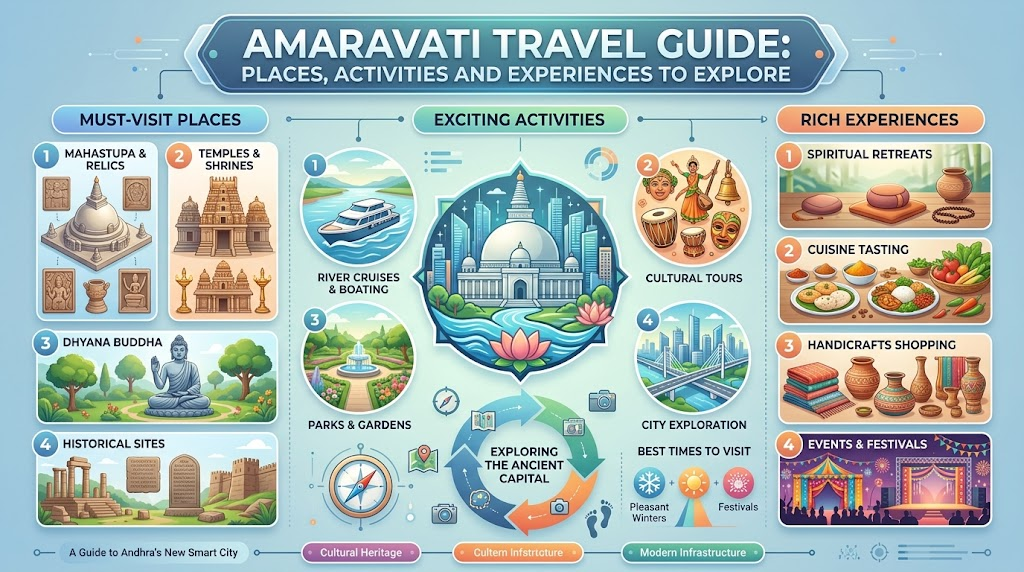
Stepping into Amaravati feels less like arriving at a conventional tourist stop and more like entering an enduring conversation between human craftsmanship and the steady flow of the Krishna River. For travelers who prefer unhurried observation over rushed sightseeing, this ancient riverfront settlement in Andhra Pradesh offers a rare landscape of quiet stone mounds, meditative terraces, and living ritual spaces. Using an observant, experiential Amaravati travel guide allows you to navigate past the surface and connect directly with the historic spirit that drew monks, artisans, and merchants here over two millennia ago. Travelers looking to blend historical immersion with regional community life can review current program announcements, cultural exhibitions, and weekend activities directly on AmaravatiOrbit.com, providing an authentic window into what is happening across the region during your stay. The following narrative breaks down how to experience the town’s sacred architecture, river culture, and local community spaces through a thoughtful, ground-level lens.
Setting the Scene: Where River Water Meets Ancient Foundations
The atmosphere in Amaravati is shaped by its geography. Situated on the southern bank of the Krishna River, the town does not demand frantic movement. Instead, it invites you to slow your pace to match the drift of river ferry boats and the quiet rustle of neem trees bordering ancient brickwork.
While the modern capital territory extends around it with expansive avenues and institutional districts, the historic core of Amaravati remains anchored in deep antiquity. Here, the legacy of the Satavahana rulers and early monastic settlements lives alongside village morning routines, roadside chai shops, and temple bells.
Viewing the destination through a slow-travel perspective reveals details that rapid itineraries miss: the delicate texture of weathered limestone, the rhythm of morning ablutions along the stone steps, and the sudden shift from pastoral quiet to vibrant community celebration during local festivals.
Experiencing the Ancient Core: Monuments with Living Stories
Rather than treating sites as checkmarks on a map, approach Amaravati’s landmark monuments as distinct historical spaces that reward quiet contemplation.
                  [ The Krishna River ]
                            |
   +------------------------+------------------------+
   |                                                 |
[Living Devotion]                             [Monumental Stillness]
Amaralingeswara Temple                        Dhyana Buddha Complex
   |                                                 |
   +------------------------+------------------------+
                            |
                 [Preserved Contemplation]
                  Maha Stupa & ASI Museum
Contemplating the Maha Stupa (Deepaladinne)
When you enter the grounds of the Maha Stupa, leave behind the modern street sounds. What stands today is an open-air archaeological landscape of brick platforms, carved perimeter stones, and tranquil pathways framed by manicured lawns.
Walk the ancient pradakshina path clockwise, taking note of how early devotees experienced circumambulation. Imagine the original monument rising over thirty meters into the sky, adorned with intricate limestone carvings telling the stories of Buddhist literature. Visiting in the quiet light of early morning allows you to appreciate the sheer geometry of the layout without distraction.
Observing Artistry at the Archaeological Museum
A visit to the nearby ASI Museum provides context for the open grounds of the Stupa. Instead of merely scanning glass display cases, focus on the details of the Amaravati school of art. Notice the dynamic movement rendered in hard stone: figures leaning forward in adoration, expressive hand mudras, and intricate depictions of ancient urban palaces and riverside ports.
The artifacts preserved here reveal that ancient Amaravati was a connected, international hub of trade and philosophy. Seeing the foreign coins, ceramic fragments, and detailed relief carvings bridges the gap between historical abstraction and human reality.
Finding Perspective at the Dhyana Buddha
The 125-foot Dhyana Buddha statue sits majestically on a raised promontory overlooking the river. Climbing to the elevated platform shifts your perspective from ground-level archaeology to wide, open horizon.
The structure beneath houses an interpretive hall dedicated to Buddhist teachings and art traditions from across Asia. The real reward, however, is spending time on the outer perimeter terrace in the late afternoon. As the sun sinks lower over the water, the breeze picks up, creating a space for personal reflection, reading, or quiet conversation.
Experiencing Living Faith at Amaralingeswara Swamy Temple
Contrasting with the quiet preservation of the stupa grounds, the Amaralingeswara Temple is filled with continuous sensory engagement: the scent of crushed camphor and jasmine garlands, the ringing of brass bells, and the steady murmur of ancient chants.
The tall marble Shiva Lingam, rising through two stories of the inner sanctum, is a remarkable sight. Watching the temple priests conduct rituals from the elevated wooden gallery offers insight into unbroken regional traditions that have thrived along these banks for centuries.
Daily Rhythms: Things to Do with Intention
Immersing yourself in Amaravati means participating in simple, grounded experiences that reflect the town’s daily character.
- Walk the River Steps at Sunrise: Head to the river steps near the temple as dawn breaks. The cool morning air, the sound of water lapping against the stone, and the low hum of early prayers create an atmospheric start to the day.
- Sketch or Journal Amidst Ruins: Find a shaded bench within the Maha Stupa compound. The balance of ancient stone and open sky provides an ideal backdrop for creative focus, personal writing, or architectural sketching.
- Sample Local Food Stalls: Step into small, unpretentious dining rooms along the town streets for an authentic morning tiffin of steaming idlis, crispy dosas, and freshly ground peanut chutney served on banana leaves.
- Observe Village Handcrafts: Take an afternoon stroll along the side streets leading away from the temple complex to observe local potters, garland weavers, and small-scale trade stalls serving regional pilgrims.
Connecting with Community: Events, Gatherings, and Local Rhythms
A town with this much history is not frozen in time; it continues to host gatherings that bring together residents, scholars, and visitors.
Seasonal Gatherings and Temple Festivals
During sacred periods such as Maha Shivaratri or the annual Kartika Masam, the town transforms. The quiet riverbanks fill with thousands of pilgrims carrying oil lamps, creating a luminous night scene along the water.
Similarly, events honoring Buddhist heritage, such as Buddha Purnima, draw practitioners and cultural travelers for meditation gatherings, scholarly talks, and peaceful processions. Attending these gatherings requires cultural sensitivity, patient foot travel, and a willingness to embrace large, joyous crowds.
Contemporary Programs and Creative Workshops
The wider capital district frequently serves as a venue for heritage symposiums, cycling excursions, photography walks, and youth initiatives. These regional events showcase how modern Andhra Pradesh engages with its cultural roots.
For those planning to attend regional activities, checking verified schedules beforehand helps prevent schedule conflicts. Because festival seasons draw high visitor numbers, booking your day transport well ahead of time ensures a smooth visit.
Finding “Amaravati Events Today” as a Mindful Traveler
Rather than following rigid tourist agendas, thoughtful travelers often look for impromptu gatherings, evening lectures, or cultural performances happening in the area. If you are seeking current happenings during your visit:
- Consult Local Cultural Listings: Check active digital portals and community platforms that publish daily and weekly cultural notices for the Amaravati-Vijayawada corridor.
- Engage with Museum Staff and Local Caretakers: Museum attendants, temple guides, and local residents often know about evening classical music performances, special temple rituals, or local lectures before they appear on broader public boards.
- Confirm Event Scale and Atmosphere: Determine whether an event is a quiet academic lecture or a crowded festival celebration so you can dress and prepare appropriately.
- Plan Flexible Transit: If an event takes place in the outer capital zone, verify return transportation options before heading out, especially if the event concludes after dusk.
A Slow-Paced Weekend Itinerary
Instead of rushing between multiple districts, this two-day itinerary allows you to absorb the landscape deeply.
DAY 1: THE SACRED CORE
Morning: Maha Stupa Reflection | Midday: ASI Museum Studies | Evening: Riverfront Meditation

DAY 2: EXPANDED HORIZONS
Morning: Undavalli Cave Formations | Afternoon: Local Textile Craft | Evening: Dhyana Buddha Sunset
Day 1: Immersion in the Historic Core
- Morning: Begin with early sunlight at the Amaravati Maha Stupa, walking slowly along the perimeter path to take in the quiet atmosphere before other groups arrive.
- Midday: Spend an unhurried couple of hours inside the Archaeological Museum, studying the relief panels and stone inscriptions. Have a simple traditional lunch nearby.
- Late Afternoon: Visit the Amaralingeswara Swamy Temple, witnessing the afternoon prayer offerings, followed by a walk along the river ghats as the daylight softens.
Day 2: Regional Craft and Rock-Cut Architecture
- Morning: Travel toward the Undavalli Caves, exploring the cool, multi-tiered sandstone chambers and the massive monolithic reclining sculpture.
- Afternoon: Stop in Mangalagiri to visit traditional handloom weavers, learning about the historic techniques behind regional cotton textiles.
- Evening: Return to Amaravati for sunset at the Dhyana Buddha, watching the fading light reflect off the Krishna River from the panoramic upper terrace.
Mindful Traveler Planning Matrix
| Destination | Primary Experience | Ideal Mindset | Practical Note |
|---|---|---|---|
| Maha Stupa Grounds | Architectural history and open space | Contemplative and unhurried | Bring a sun hat and remove shoes where required. |
| Archaeological Museum | Ancient sculptural craftsmanship | Curious and observant | Photography permits and rules are strictly observed. |
| Amaralingeswara Temple | Active religious ritual and devotion | Respectful and observant | Dress conservatively and leave footwear outside. |
| Dhyana Buddha Terrace | Broad horizons and river breezes | Relaxed and reflective | Ideal setting for quiet evening rest after walking. |
Seasonal Realities and Climate Awareness
Traveling mindfully means adjusting your schedule to the local climate rather than fighting it.
- Winter Months (October to February): The weather during winter is mild and inviting. Morning river fog creates evocative scenery, and the moderate midday temperatures allow for extended outdoor walking between sites.
- Summer Months (March to June): The dry summer heat can be intense, with temperatures frequently passing 40°C. Mindful travelers shift their plans: rise early for dawn visits, rest or read indoors during the middle of the day, and resume exploration only after 4:30 PM.
- Monsoon Season (July to September): Rainy spells turn the surrounding fields vivid green and bring cool breezes across the Krishna River. Keep an umbrella handy, wear water-resistant footwear, and enjoy the dramatic cloudscapes over the water.
Navigating the Region with Ease
- Arrival Hubs: Arriving via Vijayawada Junction (BZA) or Guntur Junction (GNT) puts you within an easy drive of the heritage zone. Those flying in can use Vijayawada International Airport (VGA) at Gannavaram.
- Local Commuting: While state buses connect the town to major bus depots, hiring a dedicated taxi or auto-rickshaw for the day offers the freedom to stop at roadside viewpoints and small village junctions at your own pace.
- What to Carry: Pack lightweight, breathable cotton clothing, a reusable water container, supportive walking shoes that slip off easily, and a small notebook or camera to capture moments of quiet detail.
- Respecting Local Spaces: Always ask before photographing people engaged in private prayer at the ghats, and maintain a quiet voice when exploring active monastic or temple grounds.
Mindful Travel Mistakes to Avoid
- Treating Heritage Sites as Photo Backdrops: Spending entire visits looking through a phone screen detracts from experiencing the physical presence and scale of these centuries-old spaces.
- Ignoring the Midday Break: Trying to walk the exposed brick pathways of the Stupa at noon leads to fatigue; plan restful indoor breaks during peak heat hours.
- Overlooking the River Itself: Rushing between monuments without spending quiet time sitting near the water misses one of the town’s most defining geographical features.
- Expecting Rapid Transit in Rural Pockets: Local life moves at a relaxed tempo; allow extra travel time between sites without growing impatient.
Practical Tips
- Embrace the Pace: Give yourself at least an hour at each monument to absorb the ambiance rather than taking quick photos and leaving.
- Dress for Sacred Grounds: Modest, comfortable clothing allows you to move seamlessly between heritage parks and active worship spaces.
- Combine Nature and History: Take time to observe the local birdlife, agricultural fields, and river traffic that surround the archaeological monuments.
- Stay Informed Locally: Keep up with regional weekend programs, temple gatherings, and cultural exhibits through trusted local channels like AmaravatiOrbit.com.
FAQs
What makes a slow-travel approach to Amaravati worthwhile?
Amaravati’s value lies in its layered history, quiet river surroundings, and ancient stone carvings. Slow travel lets you appreciate architectural nuances, observe traditional river life, and absorb the peaceful atmosphere without feeling rushed by tight schedules.
How can I experience both Buddhist and Hindu heritage in one visit?
The town’s layout makes this seamless. The Maha Stupa, ASI Museum, and Dhyana Buddha represent its Buddhist heritage, while the Amaralingeswara Swamy Temple showcases living Hindu traditions. Both traditions sit within a short distance of each other along the river.
Is it easy to find quiet spots for meditation or reflection?
Yes. The landscaped gardens around the Amaravati Maha Stupa and the open, elevated terrace of the Dhyana Buddha offer quiet, contemplative environments, especially during the early morning and late afternoon hours.
What is the best way to travel around the historic core?
Walking is ideal for exploring clusters of sites like the Stupa and Museum. For moving between the river ghats, the Dhyana Buddha, and outer dining areas, hiring a local auto-rickshaw offers convenient, flexible transit.
What regional dishes should I try during a visit?
Sample traditional Andhra vegetarian meals featuring steamed rice, spicy lentil powders (podi), freshly churned ghee, tangy gongura pachadi, and cooling curd. Roadside tiffin stalls also serve fresh idlis, vadas, and dosas daily.
Are guided tours available at the archaeological sites?
While official guide availability can vary, the Archaeological Survey of India provides informative descriptive markers across the Maha Stupa grounds. The museum also offers curated labels and gallery explanations that outline historical contexts clearly.
Can I take photographs inside the monuments?
Photography is generally permitted on the open grounds of the Maha Stupa and Dhyana Buddha terrace. However, museums and inner temple sanctums have strict restrictions. Always observe posted notices and ask permission before taking pictures.
How does the Krishna River influence the visitor experience?
The Krishna River provides both historical context and natural beauty. It was the maritime trade route that brought prosperity to ancient Amaravati. Today, its wide waters offer cooling breezes, scenic sunset views, and an active setting for morning prayer rituals.
What should I know before visiting the Amaralingeswara Temple?
Visitors must remove their footwear before entering the temple compound. Modest attire covering shoulders and knees is mandatory. During major festival days, expect long queues of devoted pilgrims along the approach roads and river ghats.
Where can I find verified updates on local events and cultural programs?
You can stay informed about upcoming cultural showcases, heritage walks, and regional community activities by checking regional bulletin boards, local tourism offices, and digital community platforms like AmaravatiOrbit.com.
Conclusion
Visiting Amaravati through an observant, experiential perspective reveals a destination rich in enduring heritage, craftsmanship, and quiet beauty. By allowing yourself to linger along the ancient parikrama path of the Maha Stupa, examine the fine relief carvings in the Archaeological Museum, and watch the sun dip below the Krishna River from the terrace of the Dhyana Buddha, you form a genuine connection with Andhra Pradesh’s historical heart. Traveling with intention turns a simple sightseeing trip into a memorable journey of discovery. Whether you are seeking spiritual peace, artistic inspiration, or a grounded cultural retreat, this Amaravati travel guide offers a thoughtful framework for your visit. For the latest details on local exhibitions, festival schedules, and regional community programs, refer to AmaravatiOrbit.com as you organize your upcoming journey.
