πŸ” Comprehensive Tutorial on Data Encryption in DevSecOps

πŸ“˜ 1. Introduction & Overview

πŸ” What is Data Encryption?

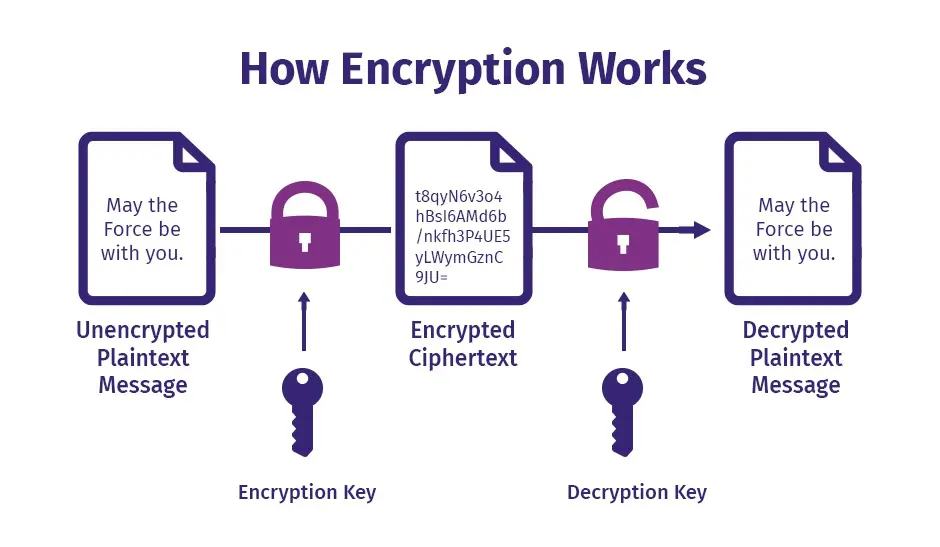
Data Encryption is the process of converting plain text into a coded form (ciphertext) to prevent unauthorized access. Only parties with a decryption key can revert the encrypted data back to its original form.

🧭 History / Background

  • Ancient roots: Cryptography dates back to ancient Egypt (e.g., hieroglyphs).
  • World Wars: The Enigma machine during WWII advanced modern cryptography.
  • Modern age: With the rise of the internet, digital encryption evolved (e.g., AES, RSA, TLS).
  • Today: Encryption is foundational in zero trust models and cloud-native DevSecOps.

πŸ’‘ Why Is It Relevant in DevSecOps?

  • DevSecOps integrates security early and continuously in CI/CD pipelines.
  • Encryption ensures confidentiality, integrity, and compliance across the software lifecycle.
  • Regulatory requirements (e.g., HIPAA, GDPR, PCI-DSS) mandate strong encryption policies.

πŸ“š 2. Core Concepts & Terminology

🧩 Key Terms

TermDescription
PlaintextThe original readable data
CiphertextEncrypted, unreadable data
KeyA secret value used to encrypt/decrypt data
Symmetric EncryptionSame key for encryption and decryption (e.g., AES)
Asymmetric EncryptionDifferent keys: public (encrypt) and private (decrypt) (e.g., RSA)
TLSTransport Layer Security β€” secures communication between systems
KMSKey Management Service β€” manages cryptographic keys

πŸ” How It Fits Into the DevSecOps Lifecycle

  • Plan & Code: Secrets scanning to avoid hardcoded keys.
  • Build & Test: Encrypt secrets (e.g., using GitHub Actions or HashiCorp Vault).
  • Release & Deploy: TLS encryption during deployment.
  • Operate & Monitor: Monitor encrypted logs; rotate keys regularly.

πŸ—οΈ 3. Architecture & How It Works

🧱 Core Components

  • Encryption Algorithm: Defines how data is transformed (e.g., AES-256, RSA-2048).
  • Encryption Keys: Stored securely in tools like AWS KMS, Azure Key Vault, or HashiCorp Vault.
  • Key Management: Rotation, storage, and revocation of keys.
  • Integration Layer: SDKs or plugins to integrate encryption in apps and CI/CD.

πŸ”„ Internal Workflow

  1. Data Input: App or system processes data.
  2. Key Fetch: Retrieve encryption key securely from vault.
  3. Encrypt: Convert plaintext to ciphertext using the key.
  4. Transmit/Store: Securely store or send the encrypted data.
  5. Decrypt: Authorized entity retrieves and decrypts data.

πŸ–ΌοΈ Architecture Diagram (Described)

[App Server] β†’ [Encryption SDK/API] β†’ [Key Vault (KMS)] β†’ [Encrypted Storage / DB]
                                                   β†˜
                                                   [Logging & Monitoring]

βš™οΈ Integration Points

  • CI/CD: Encrypt secrets in GitHub Actions, Jenkins, GitLab.
  • Cloud Providers:
    • AWS: AWS KMS + IAM Roles
    • Azure: Azure Key Vault with RBAC
    • GCP: Cloud KMS + IAM Policies

πŸš€ 4. Installation & Getting Started

πŸ“‹ Prerequisites

  • Programming knowledge (e.g., Python, Node.js, Go)
  • Access to cloud provider or KMS (e.g., AWS, Azure)
  • CLI tools (e.g., AWS CLI)

πŸ› οΈ Step-by-Step Setup (Example: Encrypt Data with AWS KMS + Python)

Step 1: Setup AWS CLI

aws configure

Step 2: Create KMS Key

aws kms create-key --description "DevSecOps demo key"

Note the KeyId from the output.

Step 3: Encrypt Data

aws kms encrypt \
  --key-id <your-key-id> \
  --plaintext fileb://data.txt \
  --output text \
  --query CiphertextBlob

Step 4: Decrypt Data

aws kms decrypt \
  --ciphertext-blob fileb://ciphertext.txt \
  --output text \
  --query Plaintext

🌍 5. Real-World Use Cases

πŸ§ͺ Use Case 1: Secrets Management in CI/CD

  • Encrypt secrets in GitHub Actions using GPG or HashiCorp Vault.
  • Prevent accidental leaks of passwords or tokens in pipelines.

πŸ₯ Use Case 2: Healthcare (HIPAA Compliance)

  • Encrypt patient data before storing in cloud (e.g., AWS S3 with server-side encryption).

πŸ’³ Use Case 3: Finance Sector (PCI-DSS)

  • Tokenize and encrypt credit card numbers in real-time using symmetric encryption.

πŸ›‘οΈ Use Case 4: Zero Trust Microservices

  • All service-to-service communications over TLS 1.3 with mutual authentication.
  • Dynamic secrets and certificates through SPIRE + Vault.

βœ… 6. Benefits & Limitations

🎯 Key Benefits

  • πŸ” Confidentiality: Keeps sensitive data safe even if leaked.
  • πŸ›‘οΈ Compliance: Meets regulatory requirements.
  • πŸ”„ Automated Key Rotation: Reduces manual work.
  • ☁️ Cloud-Native Support: Fully supported by AWS, Azure, GCP.

⚠️ Common Limitations

ChallengeDescription
Key MismanagementCompromised keys break entire encryption.
Performance OverheadHigh CPU usage on large datasets.
ComplexityRequires strong understanding & governance.
Human ErrorMistakes in key sharing or logging plaintext.

🧠 7. Best Practices & Recommendations

πŸ”’ Security Tips

  • Never store keys in source code.
  • Use hardware security modules (HSM) or KMS.
  • Enable automatic key rotation.
  • Monitor access logs and set up alerts.

πŸ§ͺ Performance & Maintenance

  • Use streaming encryption for large files.
  • Encrypt at field-level, not just whole database.

βœ… Compliance Alignment

StandardEncryption Requirement
HIPAAData at rest and in transit
GDPRPseudonymization and encryption
PCI-DSSEncryption of cardholder data

πŸ€– Automation Ideas

  • Integrate Vault into GitLab CI/CD pipelines.
  • Rotate secrets every X days automatically using Terraform + Vault.

πŸ”„ 8. Comparison with Alternatives

FeatureData EncryptionTokenizationMasking
Use CaseSecurity & ComplianceReducing exposureDev/Test environments
ReversibilityYes (with keys)SometimesNo
ComplianceHighHighLow
SpeedSlower (CPU intensive)FasterFast

🏁 When to Use Data Encryption?

  • When dealing with highly sensitive data.
  • When compliance mandates encrypted storage/transmission.
  • When integrating DevSecOps pipelines with cloud-native security.

🏁 9. Conclusion

Data Encryption is not just a technical requirement β€” it’s a strategic pillar of secure software delivery in DevSecOps. By integrating encryption into your SDLC, you:

  • Secure data proactively.
  • Meet compliance confidently.
  • Build user trust and reduce breaches.

πŸ”— Useful Resources


Related Posts

Strategic Cloud Financial Management With Certified FinOps Professional Training

Introduction The Certified FinOps Professional program is a transformative milestone for any engineer or manager looking to master the intersection of finance, technology, and business operations. This…

Read More

Professional Certified FinOps Engineer improves financial performance visibility systems

Introduction In the modern landscape of cloud infrastructure, technical expertise alone is no longer sufficient to drive enterprise success. The Certified FinOps Engineer program has emerged as…

Read More

Complete Cloud Financial Management Guide for Certified FinOps Manager

Introduction The Certified FinOps Manager program is designed to bridge the widening gap between cloud engineering and financial accountability. As cloud environments become more complex, organizations require…

Read More

Industry Ready FinOps Knowledge Through Certified FinOps Architect Program

Introduction The Certified FinOps Architect certification is designed to help professionals bridge the gap between cloud financial management and operational efficiency. This guide is tailored for working…

Read More

Advance Your Data Management Career with CDOM – Certified DataOps Manager

The CDOM – Certified DataOps Manager is a breakthrough certification designed for professionals who want to master the intersection of data engineering and operational agility. This guide…

Read More

Future focused learning with CDOA – Certified DataOps Architect certification

Introduction The CDOA – Certified DataOps Architect is a professional designed to bridge the gap between data engineering and operational excellence. This guide is written for engineers…

Read More

Leave a Reply